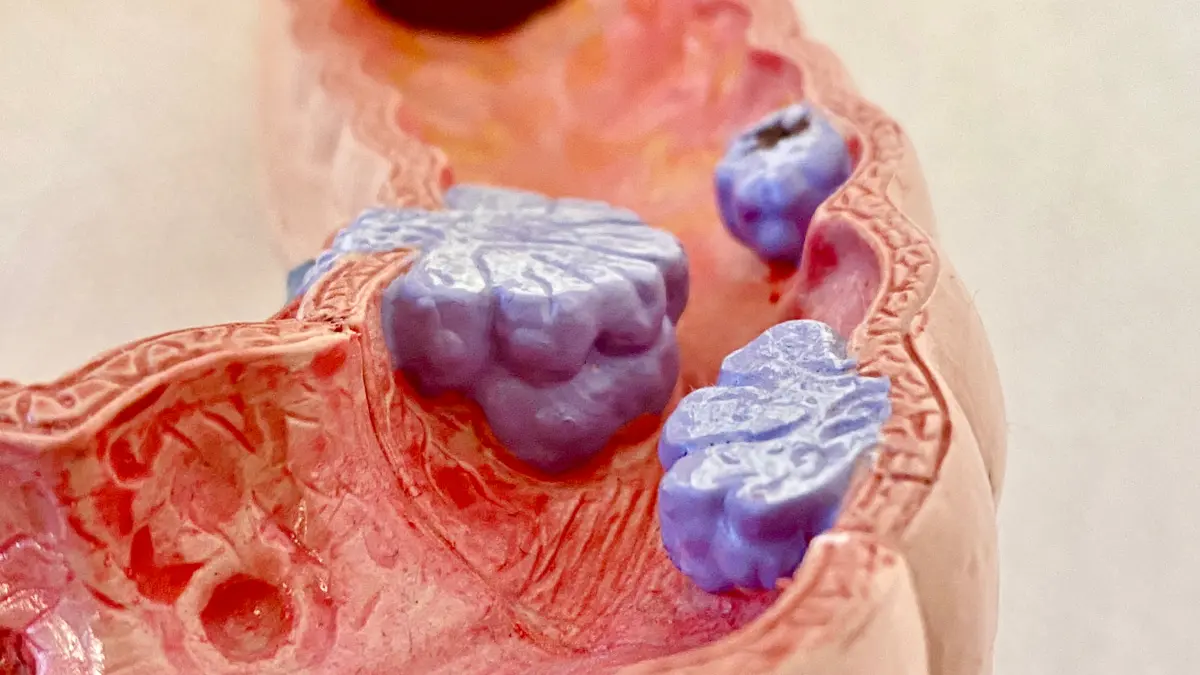
You turn 45 and your doctor brings up colon cancer screening. You picture a colonoscopy, time off work, and the dreaded prep. Then someone mentions an at home colon cancer test. Can a kit really take the place of a colonoscopy?
For many people at average risk, both are options. Your health history, preferences, and ability to complete follow-up can guide the choice.
Why Screen for Colon Cancer If You Feel Fine?
Screening checks for cancer in both your colon and rectum, together called colorectal cancer. It can develop from small growths called polyps without causing symptoms. Screening can find polyps before they turn into cancer.
The U.S. Preventive Services Task Force recommends screening for adults ages 45 through 75. For adults ages 76 through 85, the decision depends on health, prior screening, and preferences. Family history of colorectal cancer or inflammatory bowel disease may call for earlier or more frequent screening. Talk with your healthcare provider about your own timeline.
How Does an At Home Colon Cancer Test Work?
FIT and Stool DNA Tests
With a stool test, you collect a sample at home and send it to a lab. An at home colon cancer test lets you complete that first step without a procedure. A fecal immunochemical test, or FIT, checks for hidden blood in stool and is usually done every year. A stool DNA test looks for blood and certain changes in cells; some versions are done every three years. Your provider can explain which tests are available and how often you would need them.
What Happens After a Positive Result?
A positive stool test does not mean you have cancer. Blood or other changes can have several causes. It does mean you need a colonoscopy to find out what is happening. That follow-up is part of the screening process, not an optional extra. Before choosing a home test, ask how your provider will contact you with results and help schedule a colonoscopy if needed.
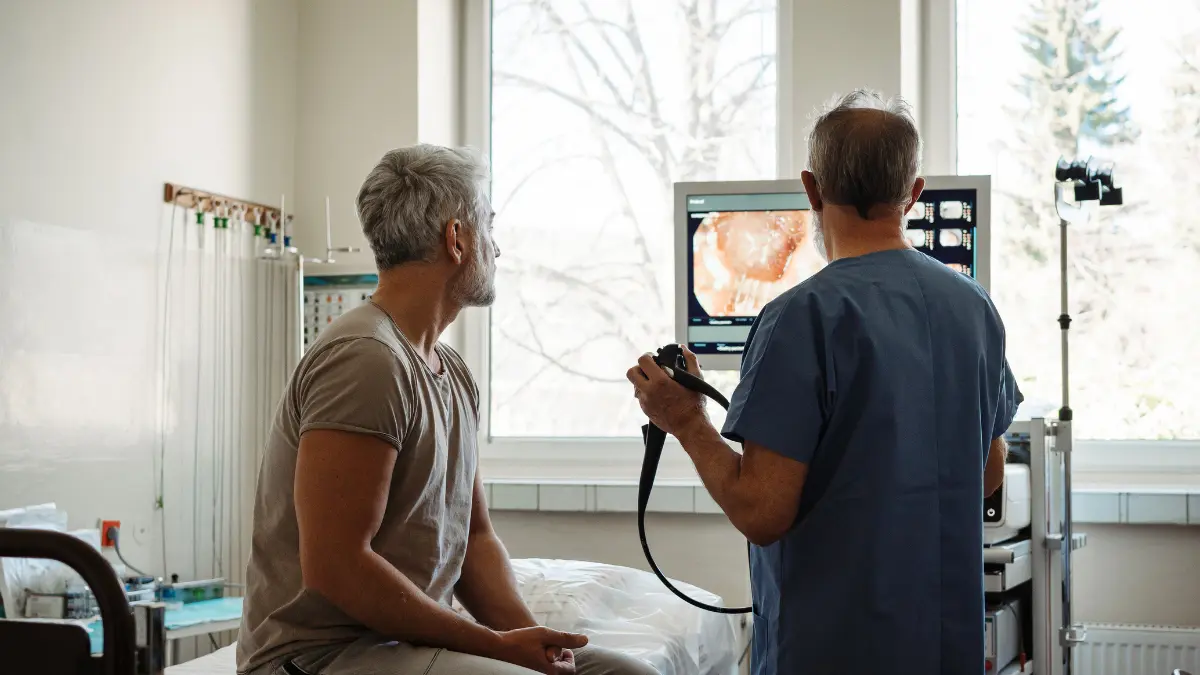
What Happens During a Colonoscopy?
A colonoscopy lets a specialist look inside your colon and rectum with a thin, flexible camera. The clinician can remove many polyps during the same procedure. If you are at average risk and the result is normal, you may not need another screening colonoscopy for 10 years.
At Home Colon Cancer Test vs. Colonoscopy: Key Differences
You do not need bowel prep, sedation, or a ride home. That convenience matters if work, caregiving, or transportation makes an appointment difficult. But a stool test cannot remove polyps. You also have to remember to repeat it on schedule. A kit left in a drawer does not protect your health.
The trade-off is the preparation. You will follow instructions to empty your bowel, usually the day before. You may receive sedation, so you may need someone to take you home. Ask where the procedure will take place, how long you will be there, and what your insurance covers. If you need surgery, our guide to ambulatory surgery centers and hospitals can help you think about the setting, too.
Which Screening Option Is Right for You?
Before you choose, ask yourself:
Am I at average risk, or do my family or health history call for a different screening plan?
Would I be comfortable collecting and mailing a stool sample on schedule, every year or every few years depending on the test?
Can I arrange the time, bowel prep, and ride home for a colonoscopy?
What will my insurance cover for the first test and any needed follow-up?
If you choose an at home colon cancer test, make a plan to complete it on schedule and follow up on the result.
If you have blood in your stool, ongoing changes in bowel habits, unexplained weight loss, or other concerning symptoms, tell a healthcare provider. Screening tests are meant for people without symptoms; symptoms need medical evaluation. An at-home kit should not be used to explain away a warning sign.
There is no prize for picking the most involved test. The best next step is to talk with your primary care provider, choose a recommended option you can complete, and make a plan for results and follow-up. Getting screened is one way to take charge of your health before a problem becomes harder to treat.
This information is for education and is not a substitute for advice from your healthcare professional.
Sources
This site does not provide medical advice. The information on Find the Right Care is for general educational purposes only and is not a substitute for professional medical advice, diagnosis, or treatment. Always talk to your doctor or another qualified health provider with any questions about a medical condition.
If you think you may have a medical emergency, call 911 or go to the nearest emergency room immediately. Do not delay seeking care because of something you read here.