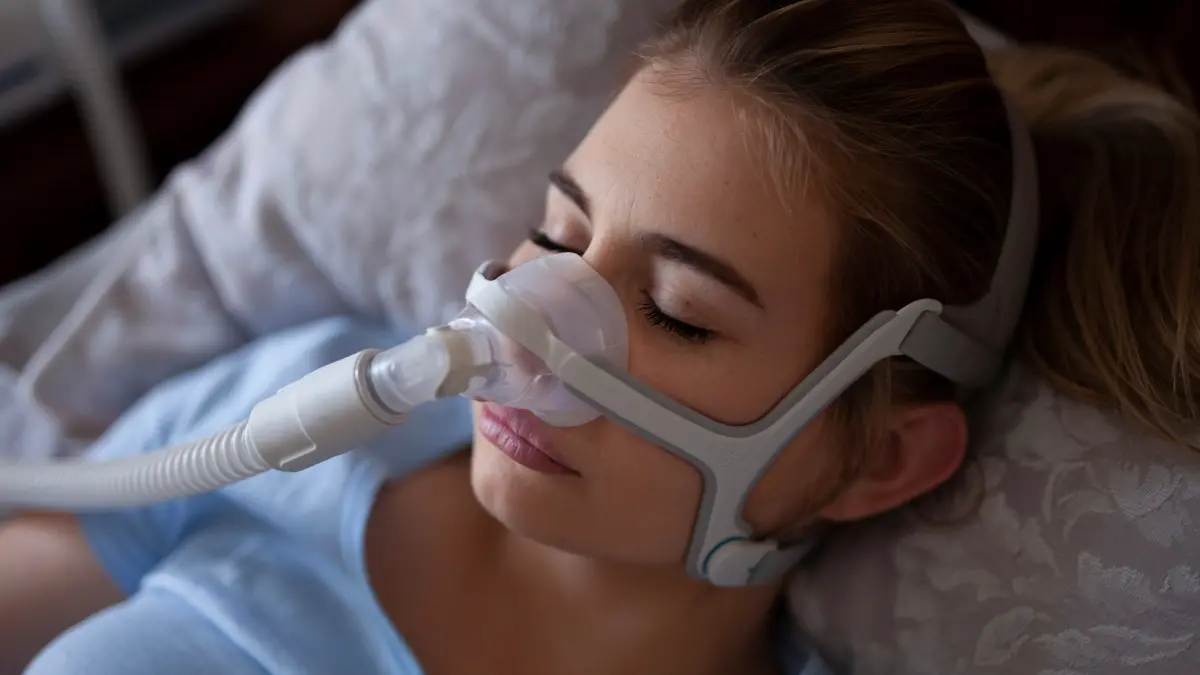
You go to bed on time, yet wake up tired. Again. Maybe you have morning headaches or keep waking during the night. If no one has complained about your snoring, sleep apnea may not cross your mind. But sleep apnea symptoms in women can appear without loud snoring. The question is whether your symptoms add up to a reason to get tested.
Signs of sleep apnea in women
Obstructive sleep apnea happens when the upper airway repeatedly narrows or closes during sleep. Some women gasp, choke, or have breathing pauses that a partner notices. Other sleep apnea symptoms in women come from the effects of interrupted sleep: insomnia, frequent waking, daytime fatigue, morning headaches, difficulty concentrating, or changes in mood. Waking with a dry mouth or getting up often to urinate can be clues too.
None of these symptoms proves sleep apnea. They can also have other causes. What matters is a pattern: symptoms that keep returning, interfere with your day, or occur alongside witnessed breathing pauses. The National Heart, Lung, and Blood Institute (NHLBI) notes that women may overlook sleep apnea because they do not have the symptoms everyone talks about like snoring. If you are unsure what to do about your symptoms, a free symptom checker can help you decide what kind of care to look for.
Do any of these sound familiar?
Tick any that happen to you regularly.
Worth keeping track of. Noting when these happen, and how often, can help if you decide to talk with a clinician.
Bring this list to a clinician.
These symptoms can have many causes, and this checklist is not a diagnosis. Only a clinician can diagnose sleep apnea. Consider sharing what you ticked with a primary care clinician or sleep specialist.
This can’t diagnose anything. It just helps you know what to bring up with your clinician.
Why menopause can change the picture
The risk of sleep apnea rises during and after menopause. Hormone changes and weight gain around the neck may contribute. Menopause can also cause insomnia and fatigue on its own, making it harder to tell what is driving poor sleep. Pregnancy and polycystic ovary syndrome (PCOS) can raise risk as well. If sleep apnea symptoms in women are new or getting worse during one of these life stages, mention the change when you speak with a clinician. Learn more about sleep apnea and women from NHLBI.
Tongue signs of sleep apnea: a clue, not a test
You may have seen “tongue signs of sleep apnea” online. Scalloped edges, which look like tooth marks along the sides of the tongue, have been associated with sleep apnea in some studies. But they are not a diagnosis, and many people with sleep apnea do not have them. A clinician can consider your mouth and airway along with your symptoms; a mirror check cannot replace a sleep test.
When should you ask about testing?
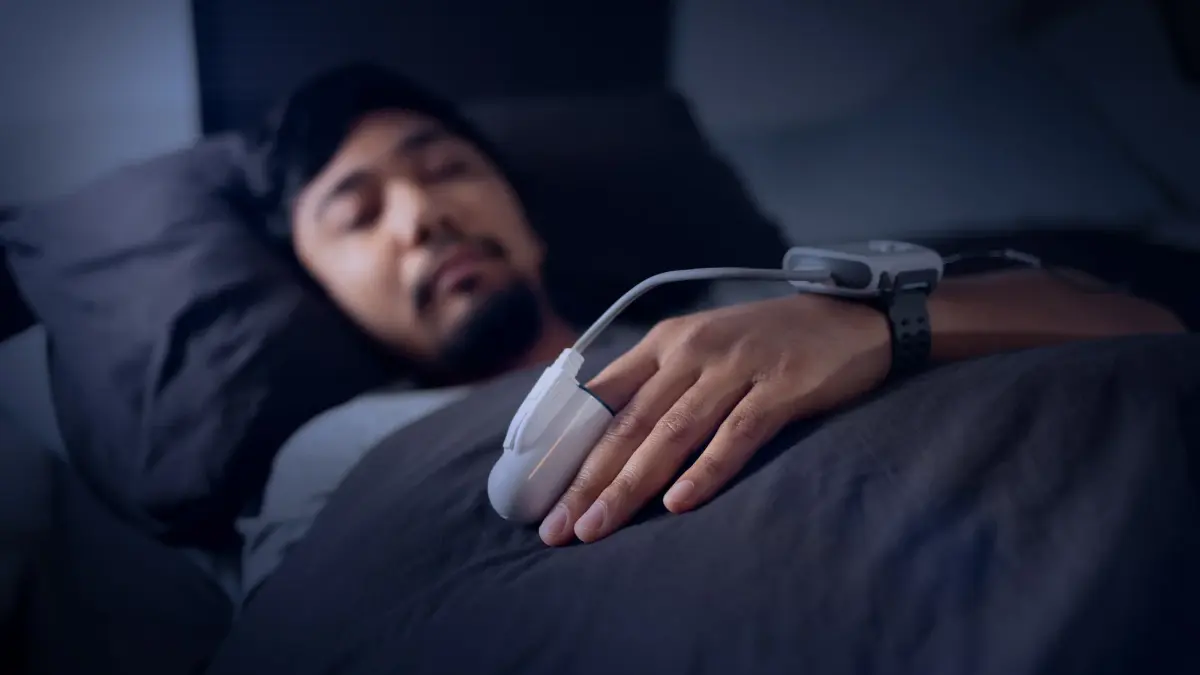
If someone notices breathing pauses or gasping while you sleep make an appointment with a primary care clinician or sleep specialist. Also ask about testing if you repeatedly wake unrefreshed and have daytime fatigue, morning headaches, or frequent nighttime waking, especially when those problems affect work, driving, or daily life. Bring up high blood pressure, menopause, pregnancy, or PCOS if they apply to you.
You do not need to wait until you “sound like” a person with sleep apnea. A short sleep diary can help: record bedtime, awakenings, morning symptoms, and how you feel during the day for a week or two. Tell the clinician about any snoring or breathing changes a partner has noticed. The point is to decide whether a sleep evaluation makes sense, not to diagnose yourself.
What happens during a sleep test?
If the test finds sleep apnea
Treatment depends on the type and severity of apnea and your health. Continuous positive airway pressure, or CPAP, is a common treatment that keeps the airway open during sleep. Some people may use a custom oral appliance. Side sleeping, physical activity, and weight management when relevant may also help. Your clinician can help you choose and adjust treatment.
Persistent poor sleep deserves attention, even when snoring is absent. If sleep apnea symptoms in women sound familiar, asking about a sleep test is a practical next step toward finding out why you are tired and what could help.
Sources
Sources: National Heart, Lung, and Blood Institute Sleep Apnea and Women, National Heart, Lung, and Blood Institute Sleep Apnea Diagnosis, National Heart, Lung, and Blood Institute Sleep Apnea Treatment, American Academy of Sleep Medicine Clinical Practice Guideline for Diagnostic Testing for Adult Obstructive Sleep Apnea, Otolaryngology–Head & Neck Surgery The Association of Tongue Scalloping With Obstructive Sleep Apnea and Related Sleep Pathology
This site does not provide medical advice. The information on Find the Right Care is for general educational purposes only and is not a substitute for professional medical advice, diagnosis, or treatment. Always talk to your doctor or another qualified health provider with any questions about a medical condition.
If you think you may have a medical emergency, call 911 or go to the nearest emergency room immediately. Do not delay seeking care because of something you read here.